



Barnsbury Parking Suspension Guide for Moving Vans
Posted on 30/07/2026
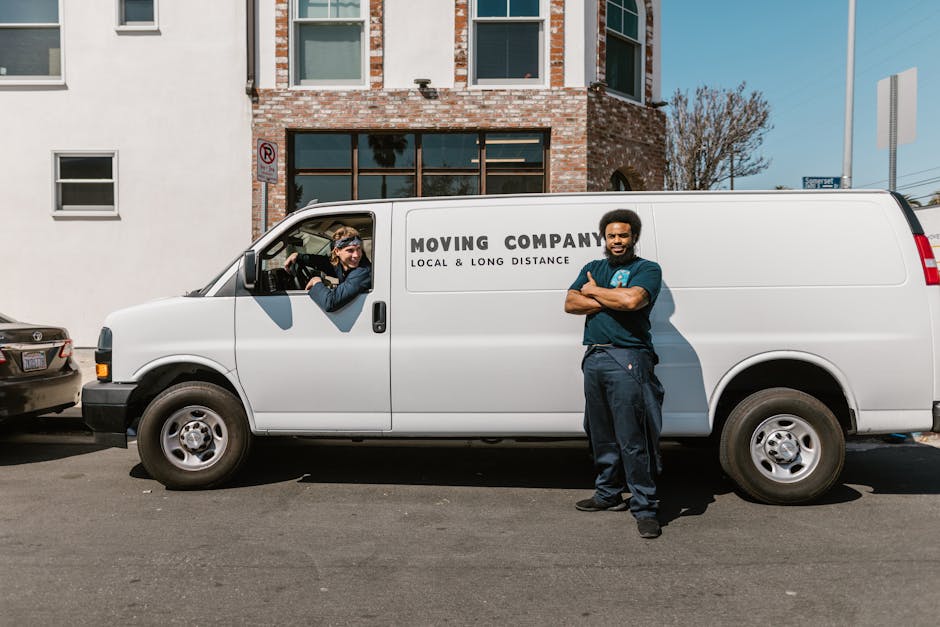
If you are arranging a move in Barnsbury, parking can make or break the day. One wrong assumption about space outside the property, and suddenly the van is circling, the crew is carrying boxes farther than planned, and the whole move feels heavier than it should. This Barnsbury Parking Suspension Guide for Moving Vans explains how parking suspensions work, when they are worth using, and how to plan them so your moving day runs smoothly rather than turning into a street-side scramble.
Whether you are moving from a top-floor flat, shifting a few bulky items, or coordinating a full house relocation, the aim is simple: protect access, reduce delays, and give the loading team a safe, practical place to work. Let's face it, in Barnsbury the right parking setup can save you far more stress than most people expect.
Why Barnsbury Parking Suspension Guide for Moving Vans Matters
Parking in Barnsbury is not just a minor logistics detail. It is often the difference between a controlled move and a day that turns messy by 9:30 in the morning. Streets can be tight, kerbs can be busy, and loading bay space is rarely something you want to gamble on, especially if you are dealing with heavier items or a narrow stairwell.
A parking suspension is basically a temporary restriction that prevents other vehicles from using a specific stretch of road. For moving vans, that matters because you want the van as close as possible to the entrance, ideally without long carry distances, blocked doorways, or unsafe kerbside shuffling. If you are already trying to make sense of access around a flat, a shared building, or one of Barnsbury's awkward corners, the extra space can be a genuine relief.
There is also a trust angle here. A proper parking plan shows that the move has been thought through. That matters for landlords, neighbours, building managers, and the removal team itself. It also helps reduce the chance of last-minute compromises, like parking two streets away and hoping for the best. In our experience, that rarely feels "fine" once the first sofa hits the pavement.
If you are still mapping out the wider move, a good place to start is the broader services overview so you can see how parking planning fits alongside packing, loading, and transport.
How Barnsbury Parking Suspension Guide for Moving Vans Works
At a practical level, a parking suspension is a temporary arrangement that reserves road space for a specific use. For a moving van, that usually means securing a stretch of parking close to the property so the vehicle can load or unload without obstruction. The exact process can vary, but the moving-day logic stays the same: create predictable access, reduce friction, and avoid delay.
Most people think of it as a permit, but it is a bit more specific than that. A parking permit gives a vehicle the right to park under certain conditions. A suspension temporarily removes other parking rights from that space. That distinction matters, because a van driver can have the right paperwork in one case and still have no practical place to stop in the other. Not ideal.
For moving vans, the suspension typically needs to line up with the time window when the vehicle will be loading or unloading. If the crew arrives early and the bay is not clear, the clock starts working against you. If the suspension runs too short, you can end up with a rushed final carry. So timing is the real game here, not just paperwork.
In Barnsbury, where access can be tight and vehicles are often competing for curb space, people often combine parking planning with specialist moving support. If you are looking at a van-led service, the pages for man with a van Barnsbury and man and van Barnsbury are useful places to understand how a smaller, more agile setup can work around local access constraints.
Key Benefits and Practical Advantages
The best parking suspension is the one you barely notice because the move flows naturally. That is the point. Still, the benefits are worth spelling out clearly.
- Shorter carry distances: Less time walking items up and down the pavement means less fatigue and lower risk of knocks and scrapes.
- Safer loading: A van positioned properly gives the team room to manoeuvre without leaning into traffic or blocking footpaths unnecessarily.
- Fewer delays: You are less likely to lose time searching for space, moving the van, or waiting for someone else to leave.
- Better protection for items: Bulky furniture, mirrors, mattresses, and boxed valuables are easier to move when the handover point is close by.
- More predictable scheduling: When the van can park where expected, the rest of the move becomes easier to plan.
There is a quieter benefit too: fewer awkward conversations on the pavement. Nobody enjoys explaining to a neighbour why a sofa is parked halfway across the path while the driver hunts for a legal bay. A suspension can remove that pressure before it starts.
If you are moving anything awkward or breakable, the advantages multiply. For example, piano moves or larger furniture jobs often need a cleaner access plan than people expect. That is why it can help to read supporting guidance like why DIY piano moves are best avoided and furniture removals in Barnsbury before setting your access strategy.
Who This Is For and When It Makes Sense
This guide is not only for large household moves. Parking suspension planning can make sense for a surprising range of situations in Barnsbury.
- Flat moves: Particularly useful where stairs, limited frontage, or shared entryways make carrying distance a problem.
- House removals: Helpful when a bigger load needs quick, direct access and there is no easy driveway option.
- Furniture-only moves: Even one or two bulky items can justify reserving space if access is awkward.
- Student moves: Useful when timing is tight and you need the van parked close enough to keep the move quick.
- Office relocations: Important when equipment, desks, or archive boxes need efficient loading without disrupting business neighbours.
It makes sense most often when parking is scarce, your property is on a busy road, or the item list includes heavy or high-value pieces. It can also be a very sensible option when you have a short time window. Same-day jobs, for example, do not leave much room for parking improvisation. If that sounds familiar, the same-day removals Barnsbury page is a helpful reference point.
On the other hand, if you have a private drive, a clear forecourt, or unusually easy access, a suspension may not be needed. And that is fine. Best practice is not about over-ordering paperwork; it is about choosing the least stressful option that still protects the move.
Step-by-Step Guidance
If you want the parking side of the move to go smoothly, keep the process simple and practical. Overcomplicating it is where people go wrong. Here is the version that tends to work best.
- Assess the access
Stand outside the property and look at the loading point as if you were arriving for the first time. Is there actual space for a van? Are there yellow lines, resident bays, or a narrow pinch point? Take a few photos. They help more than memory does. - Work out the vehicle size
Do not assume a medium van will behave like a small one. If you are booking a larger vehicle, measure access honestly. A slightly shorter van can be the difference between a smooth stop and an awkward reverse. - Confirm the moving window
Suspensions and move times should match. If your crew starts loading at 8:00 but the bay is reserved from 9:00, you have built in an avoidable problem. - Check whether there are local restrictions
Some roads have one-way patterns, timed controls, or access quirks. Barnsbury streets can feel easy on a map and tricky on the ground, so do not rely on assumptions. - Coordinate all parties
Make sure the mover, the building contact, and anyone else involved understand the plan. A suspension does little good if the landlord, concierge, or neighbour is not expecting the vehicle. - Keep the loading point clear
Do a last sweep of the pavement edge, bins, bikes, prams, or recycling bags. A clear frontage makes the suspension actually usable. - Build in a buffer
A small timing buffer is worth its weight in gold. Truth be told, moves rarely run with clockwork precision, especially if there is a long carry upstairs.
One simple but overlooked tip: keep one person responsible for access. Too many hands at the curb can create confusion. One point of contact, one plan, less faff.
Expert Tips for Better Results
After enough moving days, you notice the same patterns. The successful ones are rarely the most dramatic; they are the most prepared. Here are the practical details that tend to matter most.
Start with the hardest item first. If a sofa, wardrobe, or mattress is the most awkward thing on the list, judge the parking setup around that item, not the boxes. Boxes are flexible. Wardrobes are not. If you need support for bigger items, the guidance in moving bulky furniture in Barnsbury is worth a look.
Keep the paperwork boring. Boring paperwork is good paperwork. It means names match, times match, and the road space is clear. If you are managing the move on a budget, transparent moving prices with no hidden fees can help you understand what you are actually paying for, including access-related work.
Use the right packing method. Better packing means faster loading, and faster loading reduces the period during which the suspension is needed. That sounds obvious, but people still underestimate it. The article on packing well for a house move pairs nicely with this guide.
Think in stages. Load the items that need the smoothest path first, then the awkward ones. This keeps the van organised and reduces the "now where do we put this?" moment that always seems to arrive right when someone wants a tea break.
Do not ignore safety around the kerb. Wet weather, uneven pavements, and tight street parking can make even a short carry feel clumsy. A suspension gives access, not a free pass to rush.
And one more, because it matters: if the move involves emotional or fragile belongings, keep your best eye on the loading point, not just the van. The best moves are calm moves. Calm, not slow. There is a difference.
Common Mistakes to Avoid
Most parking headaches come from a handful of avoidable errors. None of them are rare. That is the frustrating part.
- Leaving it too late: If you wait until the week of the move, your options may be limited.
- Guessing the timings: A suspension that starts after the van arrives is not very helpful.
- Assuming the street is "probably fine": Probably is not a plan.
- Forgetting building constraints: Narrow stairwells, lifts, and entry codes all affect how long the loading bay is needed.
- Booking the wrong vehicle size: Too big can be awkward; too small can mean extra trips.
- Not checking nearby activity: Refuse collections, roadworks, school runs, and neighbour parking can all affect the day.
- Ignoring the knock-on effects: If the van is far away, every item takes longer, and the risk of damage rises.
There is also a subtle mistake people make when moving in Barnsbury: they plan the route, but not the landing zone. The route gets you to the street. The landing zone gets your belongings into the building. That's the part people feel when the sofa is halfway through the doorway and everyone goes a little quiet.
Tools, Resources and Recommendations
You do not need a huge toolkit for a parking suspension plan, but a few practical items make life easier.
- Measuring tape: Useful for checking access widths, van clearances, and awkward corners.
- Phone camera: Take photos of the street, frontage, and any parking signs.
- Moving checklist: Helps line up parking, packing, and arrival times without missed steps.
- Labels and markers: They speed up unloading, which shortens the time the suspension is needed.
- Protective gear: Gloves and sturdy footwear matter more than people admit.
For related planning, it can help to review packing and boxes in Barnsbury, especially if you want to reduce loading time and keep the van organised. If you are managing a larger relocation, the house removals Barnsbury and removals Barnsbury pages can also give useful context on how the move is structured.
If you are not sure whether your move needs a compact van, a larger removal vehicle, or a more tailored setup, the pages for removal van Barnsbury and man with a van Barnsbury are useful reference points.
Law, Compliance, Standards, or Best Practice
Parking suspensions touch on local parking controls, street safety, and public access, so they should be handled carefully. Exact procedures can vary by council area and road type, and that is why it is best to treat the process as something to confirm rather than assume. In practical terms, the key is to respect local restrictions, keep traffic flow safe, and ensure the van is parked only where it is allowed to be.
Best practice usually means checking the applicable road layout, confirming the time window, and making sure the move does not block residents, emergency access, or pedestrian routes. If the suspension is part of a bigger access challenge, keep the planning tied to the actual job rather than to a generic template. Barnsbury streets can be tidy on paper and tricky in real life, which is why careful preparation matters.
It is also sensible to review supplier policies and service terms before you book, especially where timing, waiting time, or access delays may affect the final job. For that, the site's terms and conditions, insurance and safety, and health and safety policy pages help build confidence around how a professional move is handled.
If sustainability matters to you, especially after a big clear-out, you might also find the recycling and sustainability page useful. A move often creates more waste than expected, and a tidy plan for that side of things makes the whole day feel more controlled.
Options, Methods, or Comparison Table
There is more than one way to handle parking for a move. The best option depends on access, schedule, vehicle size, and how much loading time you need. Here is a straightforward comparison.
| Method | Best for | Pros | Trade-offs |
|---|---|---|---|
| Parking suspension | Busy streets, tight frontage, direct loading needs | Closest access, less carrying, fewer interruptions | Needs planning and time coordination |
| Standard parking bay | Quieter streets or flexible timing | Simple and familiar | May be unavailable on the day |
| Private drive or forecourt | Properties with dedicated access | Very convenient, low disruption | Not available for many Barnsbury homes |
| Remote parking with manual carry | Small jobs, low-value items, flexible schedules | Can be workable without extra arrangement | Slower, harder work, higher risk of fatigue |
In most Barnsbury cases, the decision comes down to one thing: how much direct access you need to keep the move safe and efficient. If you are moving a full flat's worth of furniture, a suspension or tightly managed access plan is usually much smarter than hoping for free space. If you are just moving a few bags and a chair, the simpler option may be enough.
Case Study or Real-World Example
Here is a typical Barnsbury scenario. A couple moving out of a first-floor flat had a sofa, a double mattress, several boxes, and a glass dining table. Nothing outrageous. But the street was narrow, parking was limited, and the building entrance sat just far enough from the road to make a long carry annoying. They were tempted to "just wing it."
Instead, the move was planned around direct vehicle access. The loading point was kept clear, the van was positioned close to the entrance, and the heaviest items were loaded first while the carry distance was shortest. The team finished with fewer back-and-forth trips, the glass table stayed protected, and the whole thing felt controlled rather than chaotic.
The surprising part was not speed. It was calm. There was no frantic reshuffling of cars, no awkward waiting, no one standing in the rain wondering where to put the next item. And that, honestly, is what good access planning buys you. Not drama. Breathing room.
Moves like this are especially common when combined with local knowledge, which is why pages such as van access tips for Caledonian Road flats, house move guidance for narrow Barnsbury streets, and large van solutions for Barnsbury estate access problems are so relevant in practice.
Practical Checklist
Use this checklist the day before and the morning of the move. It is simple, but it catches the annoying stuff.
- Confirm the move time and vehicle arrival time.
- Check whether the suspension or access arrangement is active for the full loading window.
- Make sure the frontage is clear of bikes, bins, and other obstacles.
- Take photos of the road, signs, and curbside space.
- Keep the loading path inside the property clear.
- Label fragile, heavy, and priority items clearly.
- Protect floors and door frames if items are large or awkward.
- Have keys, codes, and building contact details ready.
- Keep drinks, snacks, and a phone charger nearby. Small thing, but it helps.
- Double-check that the van can stop legally and safely where planned.
Expert summary: In Barnsbury, the best parking setup is the one that reduces uncertainty. The closer the van can get to the entrance, the fewer risks you carry in your hands, your schedule, and your stress levels.
If you are still comparing options or need help deciding whether the move needs a suspension-focused setup, it may be worth speaking with the team behind about us or getting in touch through the contact page. A quick conversation can save a lot of guesswork later.
Get a free quote today and see how much you can save.
Conclusion
Parking suspension planning is one of those things that looks small until you are actually in the middle of a move. Then it becomes obvious very fast. In Barnsbury, where access can be awkward and streets can feel tight for larger vehicles, the right parking setup helps protect time, safety, and your belongings all at once.
The key is not to overthink it, but not to wing it either. Check access early, match the timing carefully, keep the loading frontage clear, and choose the method that gives the crew the best possible working space. That is usually where a smooth move starts.
And if the day gets a little messy anyway? That happens. The aim is not perfection. It is making sure the move stays manageable, even if the kettle has to wait a bit longer than planned.