



Barnsbury Road House Move Guide for Narrow Streets
Posted on 13/05/2026
Moving home on Barnsbury Road can feel straightforward on a map and awkward in real life. The street may look short enough, but once you add parked cars, tighter turning space, stairs, flats above shops, and the usual London timing pressure, the whole job becomes a different beast. That is exactly why a Barnsbury Road House Move Guide for Narrow Streets matters: it helps you plan around access, protect your furniture, and avoid the little delays that turn moving day into a long, frustrating one.
This guide is for anyone preparing a house move in Barnsbury or nearby streets where space is limited and timing matters. You will find a practical breakdown of what to expect, how to prepare, what tools help most, and where people usually get caught out. We will also cover useful local service choices, from house removals in Barnsbury to a flexible man with a van in Barnsbury, plus a few trust and safety points that are easy to overlook when you are focused on boxes and deadlines.
Truth be told, narrow streets do not reward last-minute improvisation. A bit of planning goes a long way. And if you are moving a sofa at 8:30 in the morning while someone's delivery van is already half-parked across the kerb, you will be glad you read ahead.

Why Barnsbury Road House Move Guide for Narrow Streets Matters
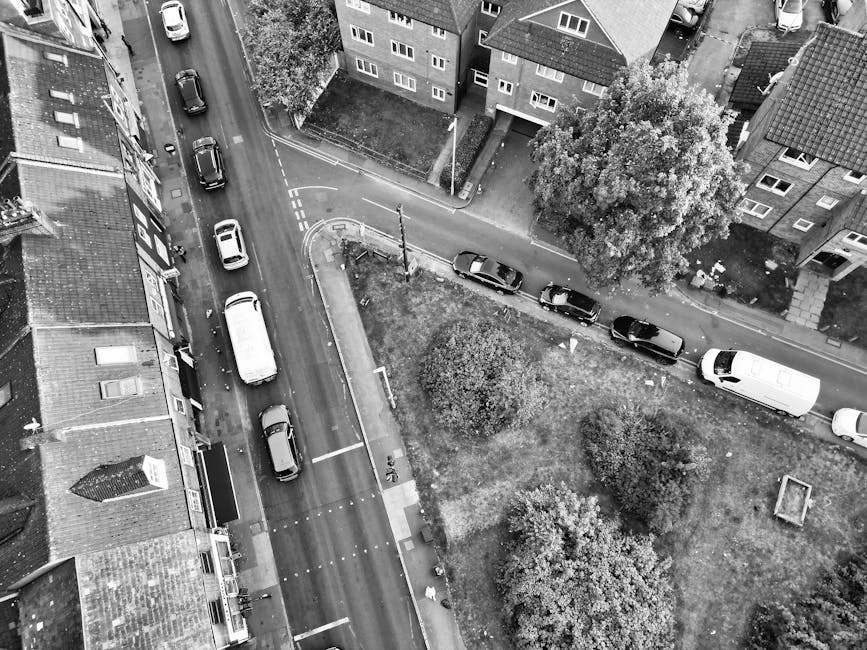
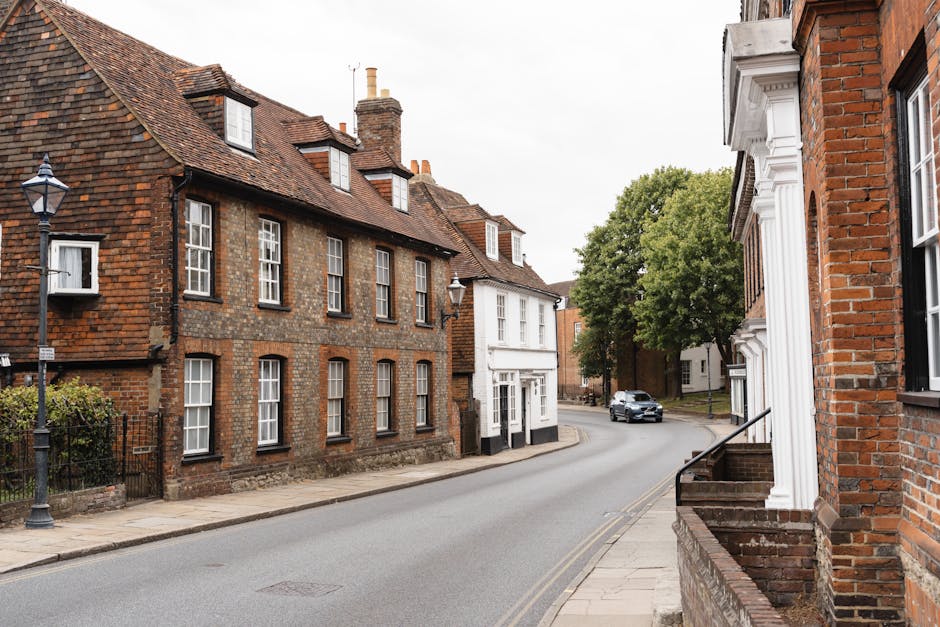
Narrow streets change the whole moving experience. On a wide suburban road, a removal van can usually stop close to the property, doors can open fully, and loading is more or less a straight line. On Barnsbury Road, or any similarly tight London street, the margin for error is much smaller. A few extra metres of carrying distance can add a surprising amount of time and physical effort.
That matters for three reasons. First, it affects safety. Carrying a wardrobe around a tight corner or lifting a mattress past a parked car is not just awkward; it increases the risk of dropped items, strained backs, and scrapes to walls or door frames. Second, it affects timing. If the van cannot park where you expected, every trip becomes longer. Third, it affects cost. Extra labour time, waiting time, or a second vehicle can all change the final bill.
There is also the neighbour factor. On a busy residential street, people still need access for bins, deliveries, and emergency vehicles. A smooth move keeps the pavement clear and the stress low. To be fair, the best moves often look boring from the outside. No drama, no shouting, no emergency tape. Just a calm system that works.
If you are comparing service options, it can help to start with a clear picture of the wider support available through the local removal services overview and then choose the level of help that matches your property and access conditions. A narrow street move rarely suits a one-size-fits-all approach.
How Barnsbury Road House Move Guide for Narrow Streets Works
The process is really about reducing friction before moving day arrives. In practical terms, that means measuring, planning parking access, choosing the right vehicle size, packing with the route in mind, and making sure the loading sequence makes sense once the team reaches the property. Nothing glamorous. Very effective, though.
It usually starts with a quick access review. Ask yourself: where can a van stop without causing problems? Is there enough room for the rear doors to open fully? Are there steps, railings, tight hallways, or an awkward first-floor landing? Can furniture be carried out in one piece, or will it need dismantling first? These details decide whether the move is efficient or clumsy.
Then comes vehicle choice. On narrow roads, a smaller vehicle can sometimes be better than a huge van because it manoeuvres more easily and may park closer to the property. That does not always mean a smaller job, of course. Sometimes a larger van reduces total trips, so the right choice depends on access, load volume, and how the road behaves at different times of day.
Finally, there is the actual move flow: protect floors and corners, load the heaviest items first, keep essentials separate, and make sure the most awkward items are not left until last. If you want to improve packing before moving day, our guide on packing well for a house move is worth reading alongside this one.
Key Benefits and Practical Advantages
The obvious benefit is fewer surprises. Once access is mapped out properly, you are not discovering at 9:15am that the van cannot get close enough, or that the sofa has to be carried halfway down the road. That calmness alone is worth a lot. Moving day already has enough moving parts, as it were.
Other benefits are more practical:
- Less lifting strain because carrying distances are shorter and routes are clearer.
- Lower risk of damage to furniture, walls, bannisters, and door frames.
- Better time control because loading and unloading become more predictable.
- Improved neighbour relations when parking and pavement use are handled respectfully.
- Cleaner cost planning because the work is less likely to overrun.
There is also a mental benefit people sometimes underestimate. A move feels lighter when the route is thought through. You do not spend the day making rapid decisions under pressure. You already know where the big items are going, which boxes are priority, and what needs to come off first.
For homes with furniture that needs extra care, this is the stage to think about specialist support. The local furniture removals service can be a better fit than treating everything as generic cargo, especially when hallways are tight or the staircase has an awkward turn.
Who This Is For and When It Makes Sense
This guide is especially useful if you live in a terrace, conversion flat, maisonette, or a property on a road where double-parking is a bad idea and space disappears quickly after 8am. It is also relevant if you are moving at a busy time of year, sharing access with neighbours, or dealing with items that are bulky, fragile, or both.
You will benefit most if you are:
- moving from a flat with tight internal stairs or a narrow entrance;
- trying to schedule a move around traffic, school runs, or resident parking;
- transporting heavy furniture, a bed, white goods, or a piano;
- working to a fixed completion time and cannot afford delays;
- trying to keep costs controlled by planning the job properly.
It can also make sense if you are doing part of the move yourself but need help with the awkward bits. Maybe you are happy to move boxes but not the dining table. Maybe the stairs are the real problem. That is normal. Plenty of people use a mixed approach, combining their own packing with support from a local man and van service in Barnsbury for the heavier work.
If you are in a student property, the practicalities can be even more compressed. The local student removals option may be a sensible fit when you need speed, simplicity, and fewer boxes than a full family move. Different move, same access problem. The street still does not care.
Step-by-Step Guidance
Here is a clear, realistic way to approach a narrow-street house move without overcomplicating it.
- Measure the important spaces. Check door widths, hallway corners, stair turns, and any furniture that may need to be taken apart. If the sofa looks tight in your head, it probably is.
- Review street access. Look at parking restrictions, loading options, and the best time of day to arrive. On some streets, ten minutes makes a big difference.
- Decide what travels whole and what does not. Beds, wardrobes, and larger shelving often move better when dismantled first. If you are moving a bed, a dedicated guide such as time-saving bed and mattress moving tips can save you a headache later.
- Protect the route inside the property. Use floor coverings, corner protectors, and blankets where needed. A scuffed wall is a small thing until you are the one fixing it.
- Pack by priority. Keep essentials easy to reach, label boxes clearly, and avoid overfilling cartons. If you need a refresh on this, packing supplies and boxes in Barnsbury is useful for organising materials properly.
- Load in the right order. Heavier pieces first, lighter and more fragile items later, with the items needed first at the easiest reach point.
- Do a final walk-through. Check cupboards, loft spaces, under beds, and behind doors. Moving day has a way of making the smallest forgotten item feel surprisingly important.
A lot of people rush the middle of this process. That is where the trouble starts. A quiet ten-minute pause before loading can prevent a much longer problem later.
Expert Tips for Better Results
The best narrow-street moves usually look simple because the hard thinking happened beforehand. A few practical tips make a real difference.
- Book a realistic arrival window. If the road gets busy later in the morning, an early start may help. Not always, but often enough to matter.
- Separate fragile items before moving day. Glass, lamps, mirrors, and artwork need their own packing logic. They should not be wedged in with books and cables.
- Use the right lifting technique. Bend the knees, keep the load close, and avoid twisting under pressure. If you want a deeper look, the article on practical lifting techniques explains the basics well.
- Break large jobs into smaller decisions. For instance, decide what goes first, what needs two people, and what can wait until the end. Tiny decisions, but they stop clutter in your head.
- Plan for storage if completion dates do not line up. A short gap between moving out and moving in is common enough. In those cases, storage in Barnsbury can keep things moving without stress.
One of the quieter expert habits is simply leaving a bit of room in the schedule. Twenty minutes of breathing space sounds trivial until the van is delayed behind a courier and someone cannot find the keys. Then it sounds rather wise.
If you have especially large or unusual items, specialist services matter. A piano, for example, is not something to improvise with on a narrow street. The local piano removals page is a reminder that some items deserve dedicated handling rather than a hopeful lift-and-pray approach.
Common Mistakes to Avoid
Most moving problems on narrow roads are predictable. The mistake is usually not the street itself; it is assuming the street will behave like a wider one. It won't.
- Ignoring parking and loading restrictions. Even a good plan falls apart if the van has to circle repeatedly or park too far away.
- Leaving dismantling too late. Wardrobes, bed frames, and large tables can take longer than expected. And yes, the tiny Allen key always goes missing at the worst possible moment.
- Overpacking boxes. Heavy boxes slow down carrying and increase the chance of dropping them on a tight stair turn.
- Not protecting the route. A narrow hallway with a sharp corner deserves extra care. One careless turn can mark the wall.
- Using the wrong vehicle size. Too large, and manoeuvring becomes difficult. Too small, and the move takes longer than it should.
- Trying to move specialist items without proper support. Sofas, mattresses, pianos, and large cabinets often need more than enthusiasm.
There is also the common habit of underestimating the final 10 percent of a move. The first half feels fine. The last boxes, the hallway clutter, the bins, the spare keys, the vacuum, the forgotten drawer liner - that is where things bog down. It happens a lot.
If you are aiming for a smoother exit from the property, it is worth reading the guide on leaving the old home clean before you move out. A tidy finish often matters just as much as a tidy start.
Tools, Resources and Recommendations
You do not need a warehouse of equipment, but a few tools help enormously in narrow-street moves. In our experience, the right kit saves more time than almost any last-minute rush ever does.
| Tool or Resource | Why It Helps | Best Use |
|---|---|---|
| Removal blankets | Protect furniture and doorways from knocks | Large items, narrow hallways, stair turns |
| Furniture straps | Improve control when carrying bulky pieces | Wardrobes, sofa sections, mattresses |
| Sturdy boxes | Reduce breakage and improve stacking | Books, kitchen items, paperwork |
| Bubble wrap and paper | Protect fragile and awkward objects | Mirrors, glass, lamps, decorations |
| Labels and marker pens | Make unloading quicker and less chaotic | Every box, honestly |
| Short-term storage | Helps when dates, access, or keys do not line up | Gaps between properties or delayed completion |
For most household moves, the best recommendations are straightforward: use proper packing materials, keep fragile items separate, and choose help that matches the size of the job. If you need boxes and materials, packing and boxes in Barnsbury is a sensible starting point. If you are still comparing move types, the local removal van service gives you a practical middle ground between doing everything yourself and booking a full-scale removal crew.
House moves also get easier when you think beyond the move itself. For example, if a sofa needs protection during storage or a temporary gap, the article on sofa storage and long-term care gives good, usable advice. That sort of detail sounds small until your furniture has to sit somewhere for a week or two.
Law, Compliance, Standards, or Best Practice
For a house move in a narrow London street, the main compliance issues are usually practical rather than complicated. You should still think carefully about parking rules, access restrictions, road safety, neighbour access, and safe handling of goods. Local conditions vary, so it is sensible to check the specifics of the street and any building rules before moving day.
Best practice usually includes the following:
- park legally and avoid blocking driveways, crossings, or emergency access;
- keep pavements usable where possible;
- follow building access procedures for flats, lifts, or shared entrances;
- use safe lifting methods and suitable equipment;
- confirm whether your building needs advance notice for moves or deliveries.
If you are using a removals provider, it is sensible to check their approach to insurance and safety, as well as their general working terms. That is not red tape for the sake of it; it is what protects you if something gets damaged or if a route turns out to be trickier than planned.
It can also help to look at the company's health and safety policy and, if needed, their wider terms and conditions. On a narrow street, clear expectations are worth their weight in tea and biscuits.
For anyone who wants to know more about the people behind the service, the about us page is a useful place to start. Trust matters when the job is tight, timed, and physically demanding.
Options, Methods, or Comparison Table
There is no single best way to move on a narrow street. The right method depends on volume, access, budget, and how much time you have. Here is a simple comparison.
| Method | Best For | Strengths | Trade-offs |
|---|---|---|---|
| DIY with car trips | Very small moves or students | Low upfront cost, flexible timing | Slow, tiring, awkward for bulky items |
| Man and van | Smaller homes, flats, mixed loads | Flexible, practical for tight access | May require careful scheduling and planning |
| Full house removals | Larger family homes or more complex moves | More support, better for heavy and many items | Usually more expensive and needs more coordination |
| Move with storage | Gap between properties or delayed access | Reduces pressure and protects timing | Extra handling and storage costs |
For many Barnsbury residents, the middle option is the sweet spot. A man and van setup can be enough for a flat move or smaller house move without overcommitting to a larger service. For others, a more complete removals service in Barnsbury makes more sense, especially if furniture is large, access is awkward, or time is tight.
If you are on a deadline and need help quickly, a same-day removals option may be useful, though it is always better to plan ahead where possible. Same-day moves are helpful, yes, but they are not magic. Sometimes they are just the least bad solution, and that is fine.
Case Study or Real-World Example
Imagine a two-bedroom flat on a narrow Barnsbury side road. The household has a bed frame, a sofa, a dining table, two wardrobes, several boxes of books, and a few delicate items the owners would rather not explain to the insurance company. The road has limited space, and there is a school-run pattern nearby that makes late morning busier.
The move goes better when it is handled in stages. The bed is dismantled the night before. The boxes are labelled by room, not just by vague categories like "stuff." The van arrives early, before the road fills up. The sofa is wrapped, and the route inside the property is cleared before any lifting starts. One person stays inside to guide items at the stair turns. Another manages the loading order. Nothing dramatic happens. That is the point.
There are still small moments. Someone realises the kettle has already been packed. Someone else finds the spare charger in a coat pocket. A quick laugh, a short pause, then back to it. By early afternoon, the main furniture is out, the hall is clear, and the job feels manageable instead of chaotic. Not perfect, but good. Often that is the real win.
If an awkward item had needed specialist attention, such as a heavy mirror or upright piano, a dedicated service would have been the better choice. That is where local specialist support earns its keep, rather than making the whole move harder than it needs to be.
Practical Checklist
Use this checklist in the final days before moving. It keeps the work grounded when the to-do list starts looking like an overly ambitious novel.
- Measure doorways, stair turns, and any tight internal corners.
- Confirm where the van can stop legally and safely.
- Check access times, parking controls, and any building rules.
- Dismantle large furniture where needed.
- Wrap fragile items separately.
- Label boxes by room and priority.
- Set aside an essentials box with chargers, documents, toiletries, and snacks.
- Protect floors, bannisters, and wall corners.
- Arrange storage if there is a gap between move-out and move-in dates.
- Keep keys, contracts, and contact details easy to reach.
- Do a final walk-through of every room, cupboard, and storage space.
- Check whether you need extra help for heavy or specialist items.
A small but useful extra tip: keep a clear path to the front door from the start of loading. It sounds obvious, yet boxes have a strange habit of multiplying in the hallway. One minute it is tidy; the next it looks like a mini warehouse.
For a calmer transition, you may also find the article on decluttering before the move helpful. Fewer items usually means fewer decisions, and fewer decisions usually means less stress. Simple really.
Conclusion
A move on Barnsbury Road does not need to be stressful, but it does need to be planned with the street in mind. Narrow access, parking limitations, fragile furniture, and timing pressures all become much easier to manage when you prepare early and choose the right kind of help. The aim is not to make moving day feel effortless. That would be a stretch. The real aim is to make it orderly, safer, and far less draining.
Start with access. Pack with purpose. Use the right vehicle and the right level of support. And if the job includes awkward furniture, tight staircases, or a schedule that leaves little room for errors, it is often worth bringing in people who understand local moving conditions properly.
Get a free quote today and see how much you can save.
If you are still weighing up your options, a quick conversation can make the whole plan clearer. You do not need every answer today, just the next sensible one. And sometimes, that is enough to turn a hard move into a very workable one.