




Safely Moving Bulky Furniture in Barnsbury: Tips & Timing
Posted on 06/06/2026
If you have ever tried to twist a wardrobe round a tight hallway or coax a sofa down a narrow Barnsbury staircase, you already know the problem: bulky furniture is rarely bulky in a helpful way. It is awkward, heavy, and just a bit unforgiving. This guide to Safely Moving Bulky Furniture in Barnsbury: Tips & Timing gives you the practical steps, timing choices, and local-moving know-how that make the whole job feel far more manageable.
Whether you are moving one oversized item or clearing several rooms, the goal is the same: protect the furniture, protect the building, and protect your back. Let's face it, one bad turn on a stairwell can turn a straightforward move into an expensive headache. Below, you will find a clear process, real-world advice, and the timing decisions that matter most in Barnsbury's busy, often tight-access streets.
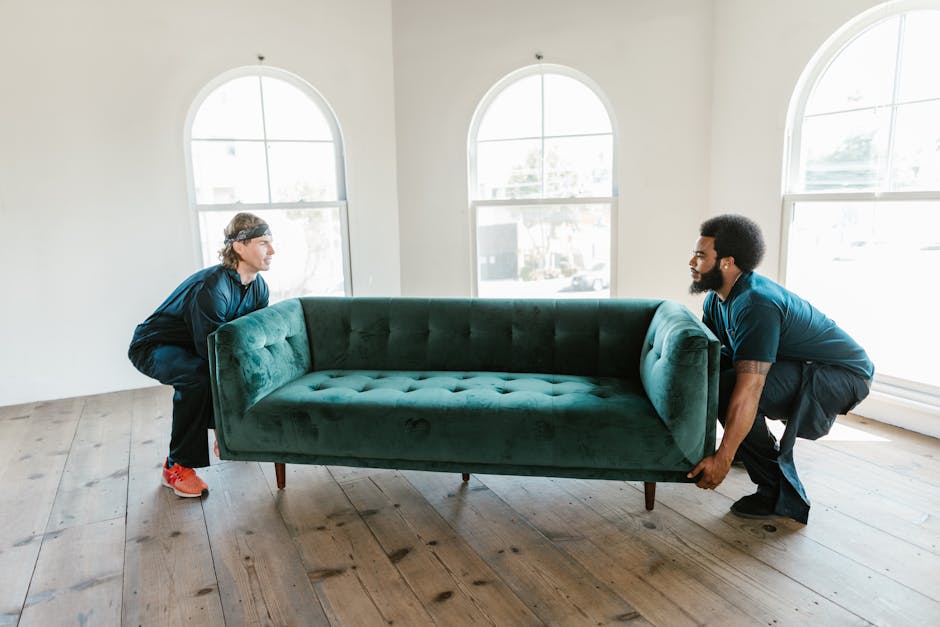
Why Safely Moving Bulky Furniture in Barnsbury Matters
Bulky furniture is not just "bigger furniture". It changes the risk profile of a move. A heavy chest of drawers, a corner sofa, a king-size bed frame, or a solid wood dining table can shift unexpectedly, snag on edges, and strain the people carrying it. In a place like Barnsbury, where homes can involve narrow entrances, stairwells, awkward turns, and limited roadside space, those risks are amplified very quickly.
There is also the question of timing. Move too early and you may end up blocking your own room for days. Move too late and you can be rushing at the exact moment you need calm, measured handling. Timing affects parking availability, building access, neighbours, lift use if there is one, and even how fresh everyone feels by the time the final item is loaded. The quiet truth is that furniture moves usually go wrong when people underestimate the setup, not the lifting.
If you want a deeper sense of how careful planning changes the whole experience, it can help to read more about a calmer approach to house relocation and why good preparation reduces stress from the start.
Expert summary: The safest bulky-furniture move is rarely about brute strength. It is about preparation, route planning, proper lifting, and choosing the right time of day so you are not fighting both the object and the street outside.
How Safely Moving Bulky Furniture in Barnsbury Works
The process is simple in theory and a little fiddly in practice. First, you assess the item and the route. Then you prepare the furniture, protect the property, and decide whether it can be moved as one piece or should be partially dismantled. After that, you match the job to the timing window that makes the least disruption and the fewest access issues.
In Barnsbury, the route matters as much as the item itself. A sofa that clears a living room door may still fail at the hallway corner. A bed frame that seems light enough may become awkward once mattress, slats, and headboard are all separate. It is not unusual to discover that one cupboard door or an overhanging light fitting changes the whole plan. Annoying, yes. But manageable if you catch it early.
The practical approach is usually this: measure first, clear obstacles, protect surfaces, and then lift using controlled, two-person technique wherever possible. For more detail on safe body mechanics, the article on kinetic lifting and practical applications is a useful companion read.
When the timing is right, you will notice the difference immediately. Less pressure. Fewer dropped corners. Less backtracking. And, strangely enough, a lot less arguing about who "thought it would fit".
Key Benefits and Practical Advantages
Doing the job properly saves more than time. It protects furniture finish, reduces the chance of property damage, and keeps the day from spiralling into guesswork. The advantages are easy to miss until you compare them with a rushed move.
- Less damage to furniture: Corners, joints, veneers, and fabric all survive better when items are padded and moved with control.
- Lower risk of injury: The right lift, the right grip, and the right team arrangement matter more than most people think.
- Cleaner exits and entries: Door frames, banisters, and walls stay in better condition when protected in advance.
- Better timing around neighbours and parking: A well-timed move reduces congestion and awkward waiting outside the property.
- More predictable costs: Planning avoids unnecessary delays, last-minute vehicle changes, and emergency callouts.
There is also a psychological benefit. Once the bulky items are under control, the rest of the move tends to feel lighter. A bit of momentum builds. The day starts to breathe again.
That is one reason many people pair furniture moving with broader planning resources like packing advice for a house move and decluttering guidance before moving. Less clutter usually means fewer heavy items to battle in the first place.
Who This Is For and When It Makes Sense
This topic is relevant if you are moving from a flat, maisonette, terrace, or shared property in Barnsbury and you have one or more awkward items to shift. It is especially useful if stairs are involved, if parking is tight, or if the furniture is valuable, sentimental, or just plain difficult to manoeuvre.
Typical examples include:
- families moving a large sofa, wardrobe, or dining set
- students or renters taking a bed, desk, and storage unit to a new place
- people placing furniture into storage between moves
- homeowners clearing out a room for decorating or refurbishment
- anyone needing same-day help because a deadline has landed, as they do
If you are moving a sofa, mattress, or bed frame, timing becomes even more important because these pieces are bulky but oddly flexible in the wrong places. The right prep can make a real difference. For example, the guidance on moving a bed and mattress efficiently is particularly helpful when you are trying to get the main bedroom cleared before midday.
And if the item is unusually delicate or top-heavy, you may want to step back and treat it more like a specialist move. A piano, for instance, is a different world altogether. There is a reason people are advised to avoid treating that as a DIY project; the same caution applies to any valuable, oversized piece with hidden internal weight.
Step-by-Step Guidance
Here is the practical sequence I would recommend for most bulky furniture moves in Barnsbury. It is not flashy, but it works. More or less every time, if you stay patient.
1. Measure the item and the route
Measure height, width, and depth of the furniture. Then measure doorways, hallways, stair turns, lift doors, and the vehicle entrance. Do not forget handles, feet, and any protruding fixtures. Those tiny bits are often what catch. A wardrobe might fit on paper and fail in real life because of a door handle or a narrow banister return.
2. Decide whether to dismantle
If the item can safely be reduced in size, do it before moving day. Remove shelves, legs, drawer fronts, mattresses, loose cushions, and glass panels where relevant. Keep screws, bolts, and fittings in clearly labelled bags. Tiny bag. Big difference.
3. Prepare the property
Clear the route of shoes, rugs, lamps, toys, and anything else that can slide underfoot. Protect walls and corners with blankets or corner guards where needed. In older Barnsbury homes, those awkward stair edges deserve extra care because a single scrape can leave a visible mark.
4. Choose the right timing window
Early morning is often best if you need calm streets, cooler conditions, and a little more daylight ahead. Mid-morning can work well too, especially if you are waiting for parking space to clear or for a building manager to be available. Late afternoon is usually less pleasant for bulky pieces because fatigue sets in, traffic builds, and everyone is slightly less patient than they were at 9am.
On the other hand, if a same-day schedule is unavoidable, build in buffer time. A ten-minute delay around Barnsbury can become thirty without much drama. That is just local moving life, really.
5. Use the correct lifting method
Keep the load close to the body. Bend at the knees, not the waist. Move slowly and communicate clearly. One person should call turns, stairs, and pauses. If the object is unwieldy, use a team carry or move it in stages rather than trying to be a hero. Heroes are overrated when there is a banister involved.
6. Load the vehicle in the right order
Heaviest items generally go in first, against the bulkhead or most stable part of the van. Softer items can help cushion edges and prevent movement if packed correctly. Straps matter. So does balance. A bad load can shift during braking and undo all the effort you put in at the front door.
7. Recheck at drop-off
Once you arrive, do not rush the final carry. Check the new route just as carefully as the old one. Measure twice, swear once, as the saying should probably go. If the destination is a flat or upper floor, plan the final turn before the item leaves the van.
Expert Tips for Better Results
The small details are where the move gets easier. These are the bits that separate a reasonable job from a smooth one.
- Move the light things first if they block access. A lamp, small table, or loose chair can be the difference between a clean route and a jammed one.
- Use sliders for hard floors. They help reduce friction and make heavy furniture easier to guide without scraping.
- Wrap corners more generously than you think you need to. The first bump usually happens at doorway height, not on the floor.
- Keep one person free to spot hazards. That extra set of eyes can stop the classic stumble over a doorstep or wall edge.
- Do not stack too much into one carry. People often overload themselves because it feels efficient. It usually is not.
- Book or reserve the vehicle and access window before you start. Waiting outside with a sofa and no parking plan is not a fun look.
If you are dealing with a property that has notably tight access, it can be worth studying local examples. Barnsbury streets and buildings vary more than people expect. A first-floor flat with narrow stairs can feel completely different from a ground-floor maisonette with a rear entrance. For access-specific reading, the posts on tight stair removals in Barnsbury and moves on narrow Barnsbury streets are well worth a look.
And here is a small but useful truth: if your furniture smells faintly of old wood polish or dust after years in one home, wrap it before it spends any more time in a damp stairwell. Sounds obvious, but people forget. The fabric and finish will thank you.
![Two movers from Man With a Van Barnsbury are engaged in the loading process of a commercial cargo van, positioned outdoors on a street in Barnsbury. The scene shows them carefully lifting or adjusting a large, dark green piece of furniture, possibly a sofa or a bulky household item, which is partially wrapped in protective fabric or padding to prevent damage during transit. The rear doors of the van are wide open, revealing an interior space designed for moving furniture and boxes, with some additional packaging materials visible inside. The environment is bright and sunny, with a pedestrian lamp post, road sign, and nearby parked vehicles indicating a typical urban setting. The movers are dressed in casual work attire, including safety glasses, and appear focused on ensuring the secure handling of the item for home relocation or furniture transport. This scene exemplifies professional packing and loading procedures used by [COMPANY_NAME] in house removals and moving services in Barnsbury, highlighting their commitment to safe and efficient furniture transport.](/pub/blogphoto/safely-moving-bulky-furniture-in-barnsbury-tips-timing2.jpg)
Common Mistakes to Avoid
Most bulky-furniture mishaps are predictable. That is the frustrating part. The good news is they are also avoidable.
- Skipping measurements. People often "know" the item will fit and then discover the final corner says otherwise.
- Forgetting access points. Doorways are not the whole story. Stair turns, landing space, and external steps matter too.
- Lifting without a plan. If nobody has called the route, the timing, or the turning point, the lift becomes messy very quickly.
- Using the wrong team size. Some items are not safe for one person. Truth be told, they are barely safe for two without the right method.
- Not protecting floors and walls. One drag mark across a polished floor can be more costly than the move itself.
- Leaving packing until the last minute. Loose items around a large wardrobe or sofa make the whole job much harder.
- Ignoring fatigue. By the afternoon, concentration dips. That is when corners get clipped and tempers rise a little.
A smaller but still common mistake is assuming every bulky item should be moved exactly the same way. A sofa, bed frame, freezer, cabinet, and piano all demand different handling. A one-size-fits-all approach is how people end up overcommitted and underprepared. If you have especially awkward items, specialist guidance can help, including reading on why DIY piano moving is best avoided.
Tools, Resources and Recommendations
You do not need a truckload of kit to move bulky furniture safely, but the right tools make the day smoother and less physical.
| Tool or Resource | Best Use | Why It Helps |
|---|---|---|
| Furniture blankets | Wrapping sofas, tables, wardrobes | Reduces scratches, dents, and scuffs |
| Removal straps | Two-person lifts and stair movement | Improves control and weight distribution |
| Sliders | Hard floors and short indoor moves | Helps heavy items glide rather than drag |
| Tape and labels | Keeping fittings and pieces together | Makes reassembly much simpler |
| Protective gloves | Grip and hand protection | Better handling, fewer slips |
| Removal van or man and van support | Transport and loading | Reduces strain and makes timing more predictable |
For broader planning, the service pages for furniture removals in Barnsbury, man with a van support, and a suitable removal van are useful starting points if you want to compare approaches.
If you are trying to reduce the amount you move in the first place, a practical storage option can help with awkward timing gaps between move-out and move-in. In that case, storage in Barnsbury can be a sensible bridge rather than forcing everything into one exhausting day.
And yes, if you are packaging up the rest of the home at the same time, pairing the job with packing and boxes support can save a surprising amount of effort.
Law, Compliance, Standards, or Best Practice
Furniture moving is not usually about complex legal rules, but there are still sensible standards to follow. In the UK, general health and safety duties apply wherever lifting, loading, or transporting items could cause injury. That means using reasonable care, suitable equipment, and enough people for the task. It also means thinking about access, not just the object itself.
If a move involves shared hallways, common parts, or managed buildings, it is good practice to check building rules in advance. Some blocks have access windows, lift booking requirements, or restrictions on moving times. That is less about bureaucracy and more about keeping everyone out of each other's way. Likewise, if parking or loading outside the property is tight, planning ahead is far better than guessing on the day.
Professional movers also tend to work to internal safety procedures, insurance expectations, and loading standards that reduce risk. You do not need to quote a manual to benefit from those habits. In plain English: use the right tools, do not overload people, and protect the property as if it were your own.
If you want to understand how a provider thinks about risk and duty of care, the company's health and safety policy and insurance and safety information are sensible reference points.
Options, Methods, or Comparison Table
There are a few ways to handle bulky furniture. The right choice depends on weight, access, timing, and how much lifting you want to do yourself. Here is a straightforward comparison.
| Method | Best For | Pros | Trade-Offs |
|---|---|---|---|
| DIY with friends | Small number of robust items | Can be cheap and flexible | Higher risk of injury or damage; access issues are harder to manage |
| Man and van | Medium-sized loads, limited travel distance | Practical, usually quicker to arrange, good for local moves | May still require you to prep and carry items carefully |
| Dedicated furniture removal support | Large, heavy, or awkward items | Better equipment and handling, more control over timing | Usually costs more than a simple transport-only option |
| Storage first, move later | Staggered move dates or downsizing | Reduces same-day pressure and gives you breathing room | Needs extra coordination and an extra step in the plan |
There is no single winner. If the furniture is expensive, awkward, or especially heavy, specialist help is often the calmer and safer route. If the item is straightforward and access is easy, a man and van arrangement may be enough. The point is not to choose the fanciest option. It is to choose the one that fits the job.
Case Study or Real-World Example
A typical Barnsbury move might look something like this. A couple in a second-floor flat needs to move a large corner sofa, a bed frame, and a dining table into a van before lunchtime. The hallway is narrow, the stairwell bends sharply at the landing, and there is limited space outside for loading.
Instead of starting with the sofa, they begin by measuring the hallway and deciding that the bed frame should be dismantled first. The mattress is wrapped and moved out early. The dining table legs are removed, labelled, and bagged. By the time the sofa comes out, the route is clear, the wall corners are protected, and the team knows which side of the item must lead on the stairs.
The biggest win was timing. They started at 8:30am, before the street became busy and before fatigue set in. By the time the heavier items were ready, they had already dealt with the awkward little jobs that usually create stress. Nothing dramatic happened, which is exactly the point. The move felt almost boring. That is a compliment, honestly.
If the same furniture had been left until late afternoon with no route planning, the result would almost certainly have been more rushed, noisier, and harder on everyone involved. That is the difference a good order of operations makes.
Practical Checklist
Use this checklist before moving bulky furniture in Barnsbury. It is simple, but it catches the expensive mistakes.
- Measure the furniture and the full route, including corners and stair turns
- Decide whether any item should be dismantled
- Remove loose parts, drawers, shelves, and fittings
- Label screws and small components clearly
- Protect floors, walls, and door frames
- Choose a sensible timing window and allow for delays
- Confirm parking, loading access, or building entry arrangements
- Use enough people for each lift
- Keep communication clear during stairs and turns
- Load the van with the heaviest items first and secure everything properly
- Check the destination route before unloading
- Leave time for reassembly and final placement
For jobs that involve more than one room, it also helps to declutter first so you are not carrying items you no longer need. A lot of people discover that one or two large pieces are better stored, sold, or recycled than moved again. That is not defeat; that is good judgement. If you are reviewing what actually needs to go, the guide to preparing a clean home before moving out can help tie the final stages together neatly.
Conclusion
Safely moving bulky furniture in Barnsbury is really about three things: planning the route, choosing the right timing, and handling each item with respect. When those pieces come together, the move feels less like a battle and more like a controlled, well-paced job.
Do not let a sofa, wardrobe, or bed frame bully the whole day. Measure properly, prepare early, keep the pace steady, and choose help when the item or access says you should. Barnsbury can be a brilliant place to move in, but it rewards people who work with the street layout rather than against it.
If you are comparing support options, looking at service details, or simply want to talk through a tricky furniture move, take the next sensible step and get the right advice before lifting a single corner.
Get a free quote today and see how much you can save.
And if all else fails, remember this: a careful move is still a good move, even if it takes an extra ten minutes. In the end, that extra ten minutes often saves the whole afternoon.